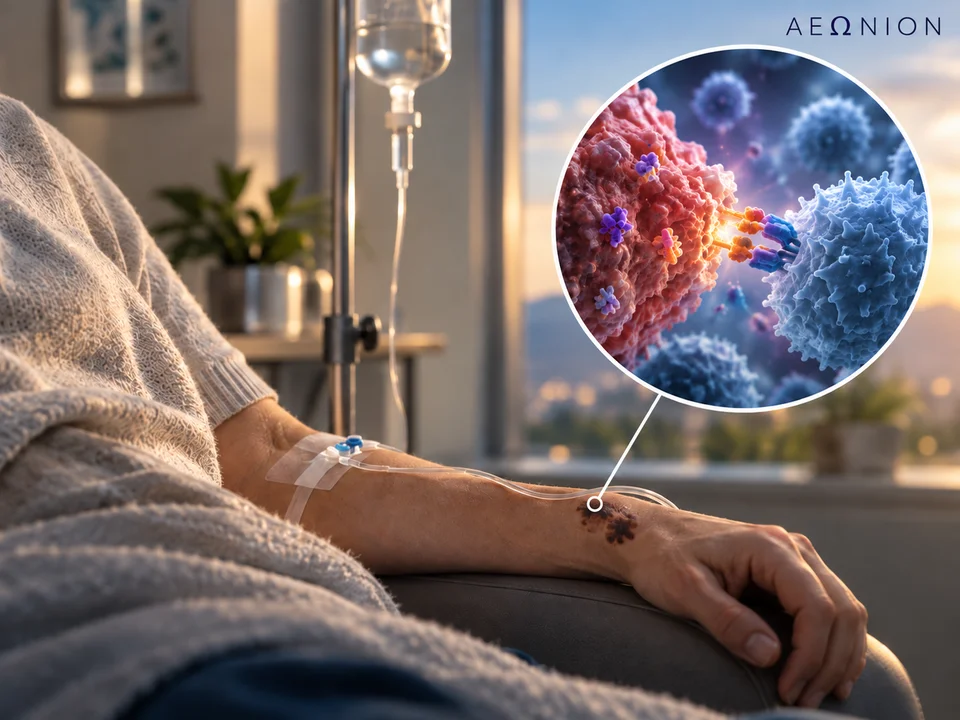
A cancer vaccine made specifically for each patient has shown lasting benefits in a clinical trial involving 157 people with high-risk melanoma, a form of skin cancer. The treatment was given after surgery alongside the immunotherapy drug pembrolizumab, also known as Keytruda. The five-year findings were published in the Journal of Clinical Oncology on June 1, 2026. Published study
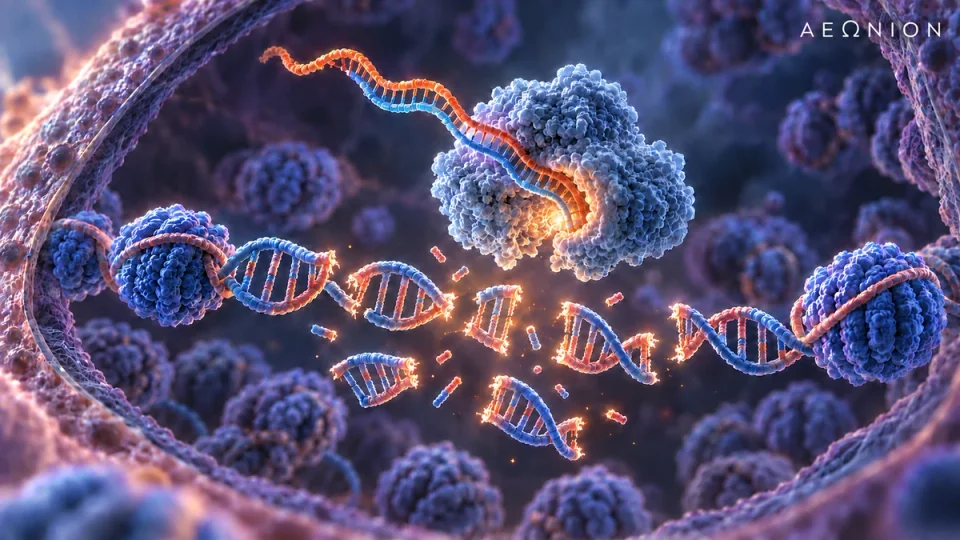
Each vaccine starts with a sample of the patient's tumor. Researchers read its genetic code to identify mutations that produce unusual protein fragments, called neoantigens. These act like identifying features that can help the immune system distinguish cancer cells from healthy cells. How the targets are selected
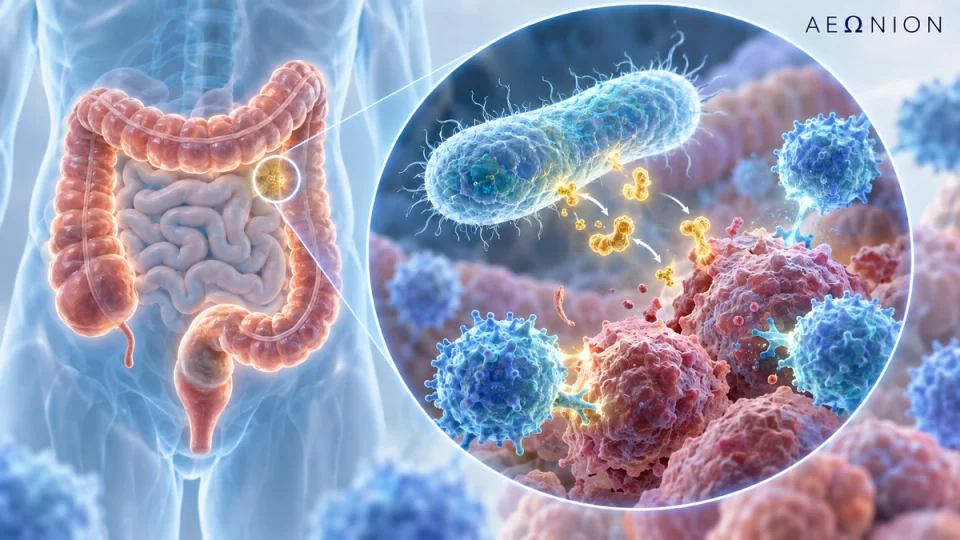
The vaccine carries mRNA instructions for making selected fragments. Once injected, cells use those instructions to make and display the targets, helping train immune cells called T cells to recognize cancer cells carrying the same features. The goal after surgery is to help the immune system find cancer cells that may remain. How the immune training works
There is evidence for this mechanism in people. A 2024 Cancer Discovery paper on the earlier KEYNOTE-603 trial found that the vaccine generated new T-cell responses and strengthened existing ones against the selected targets. This demonstrated immune training, rather than proving that every trained immune response prevents a recurrence. Mechanism study
Keytruda complements that approach by blocking a signal that can put the brakes on T cells. These treatments are intended for people diagnosed with cancer, not as routine cancer-prevention shots for healthy people. Keytruda's mechanism · Treatment versus prevention vaccines
In the melanoma trial, patients were randomly assigned to receive the vaccine, called intismeran autogene, plus Keytruda, or Keytruda alone. After roughly five years of follow-up, the combination showed a 49% lower relative risk of recurrence or death. That figure compares the rate at which events occurred over follow-up; it does not mean 49 out of every 100 patients were cured. Trial results
The treatment also caused side effects. Fatigue, injection-site pain and chills were common; about 11% of vaccine recipients experienced severe vaccine-related effects. Longer follow-up revealed no new safety signals. Safety findings
A larger test has since added momentum. On August 19, Moderna and Merck announced that their phase 3 trial, involving 1,137 patients, improved the time people lived without melanoma returning or spreading to distant parts of the body compared with Keytruda alone. However, that announcement did not include the size of the benefit or detailed results, so it must be distinguished from a full peer-reviewed publication. Phase 3 company announcement
Other cancers are being investigated too. A separate Nature paper published on February 18 reported that a personalized mRNA vaccine generated immune responses lasting years in patients with triple-negative breast cancer. That study involved only 14 people and had no comparison group, so it could not establish whether vaccination prevented cancer from returning. Breast cancer study
The melanoma vaccine remains investigational, and whether it helps patients live longer overall is still being studied. Its potential is to become another tool for reducing recurrence after surgery. Current development status
Sources
- Intismeran Autogene Plus Pembrolizumab Versus Pembrolizumab Alone in High-Risk Resected Melanoma: 5-Year Update of the Randomized Phase IIb KEYNOTE-942 Study
Khattak et al. · Journal of Clinical Oncology · June 1, 2026 · Randomized phase 2b; 157 participants
- T-cell Responses to Individualized Neoantigen Therapy mRNA-4157 (V940) Alone or in Combination with Pembrolizumab in the Phase 1 KEYNOTE-603 Study
Gainor et al. · Cancer Discovery · 2024 · Mechanistic clinical research
- INTerpath-001 phase 3 topline announcement
Merck and Moderna · August 19, 2026 · Company announcement; not a full peer-reviewed report
- Individualized mRNA vaccines evoke durable T cell immunity in adjuvant TNBC
Sahin et al. · Nature · February 18, 2026 · Phase 1; 14 participants
- How mRNA Vaccines Might Help Treat Cancer
National Cancer Institute · Background explanation
Disclosure
Moderna and Merck, which are developing intismeran, funded the melanoma study.


Discussion
Have a question about the research or a perspective to share?
Loading discussion…